Reza Kakavand Graduated in August 10, 2024

Congratulations to Dr. Reza Kakavand for successfully defending his PhD thesis in July 29, 2024. Dr. Reza Kakavand was my first PhD student under my direct supervision. He made significant achievements during his PhD program, from winning several awards and publishing papers in prestigious journals, including Scientific Reports (Nature). He continued his academic career as a postdoc at HPL. I wish him the best in his career and acknowledge for his contribution in our team.
Reza Deabae and Atousa Parsaei- Elizabeth Cannon Scholarship
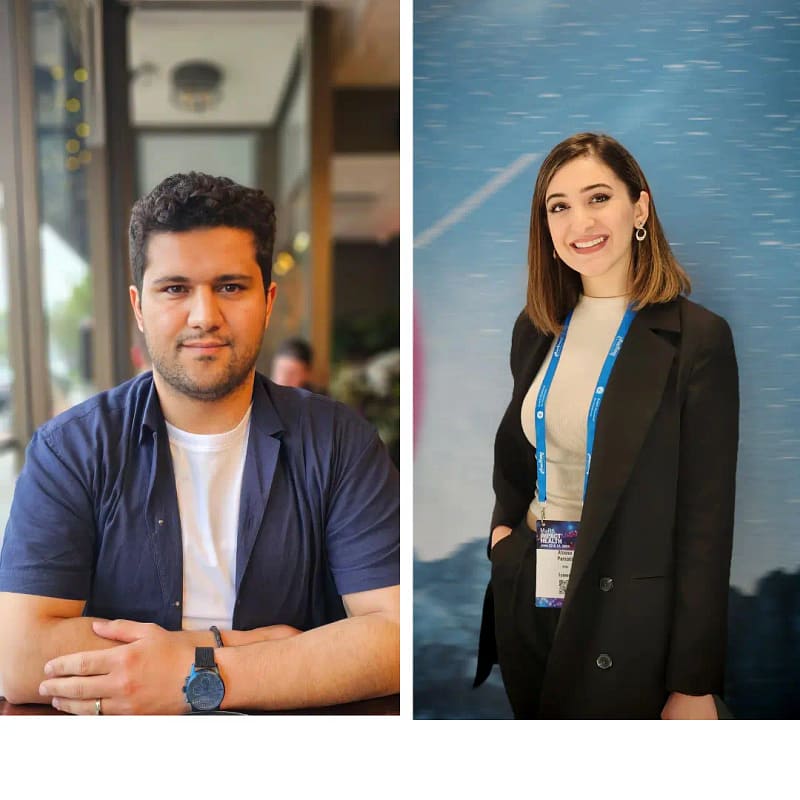
Congratulations to Reza Deabae (PhD student) and Atousa Parsaei (MSc student) for receiving the Elizabeth Cannon Graduate Scholarship in Entrepreneurial Thinking. It’s exciting that two members of our lab have received this award, showcasing their innovative approach to developing creative solutions for real-world challenges. https://grad.ucalgary.ca/awards/award-opportunities/elizabeth-cannon-graduate-scholarship-entrepreneurial-thinking
CSB Travel Award
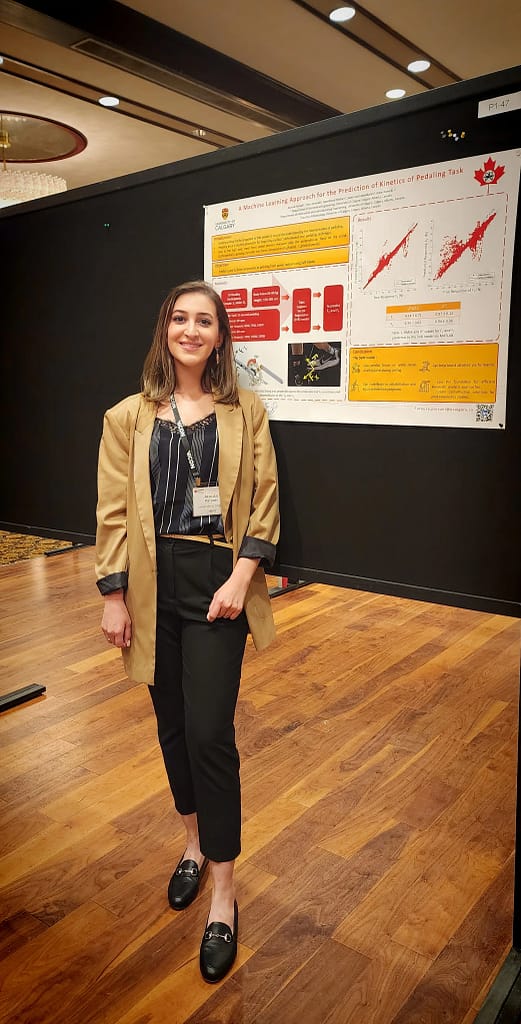
Congratulations to Atousa Parsaei (MSc student) for receiving the CSB travel award.
Reza Ahmadi & Peyman Tahghighi – AGES Award
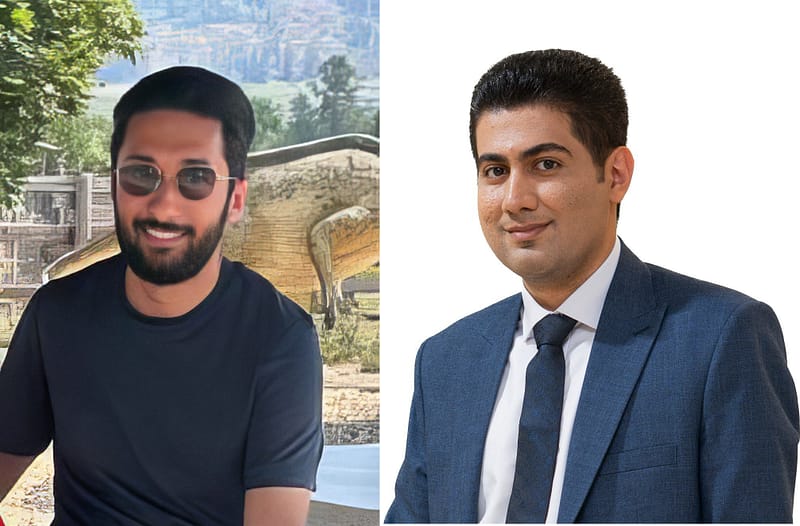
Congratulations to Reza Ahmadi (on the right) and Peyman Tahghighi (on the left), both PhD students, for receiving the Alberta Graduate Excellence Scholarship (AGES). This award recognizes their outstanding research and the significant impact it has made in their respective fields.
Predict Knee Kinematics During Stationary Cycling via Machine Learning Regression Models
To improve athletes’ performance and prevent injuries, an understanding of the kinematics of lower limbs is becoming increasingly important in rehabilitating lower extremities with cycling ergometer, particularly the hip and knee joints. Motion capture system is a common method for motion studies, however, it requires complex and expensive equipment, which is limited to the laboratory environment, might face some difficulties in finding some hidden trajectories, and are typically expensive and time-consuming. The purpose of this study is to integrate machine learning and deep learning methods with data from a motion capture system to develop a model that can predict where markers will be placed on the hips and knees on the basis of an individual’s anthropometric information and the cycling device dimensions.This study contributes significantly to biomechanical study of knee joint, offering a potential integration of predictive models and real-time monitoring of knee joint kinematics during cycling exercise with stationary ergometers. Improving and optimizing the proposed method will pave the road for developing efficient and cost-effective methods for conducting kinematics analyses. Download PDF Version